

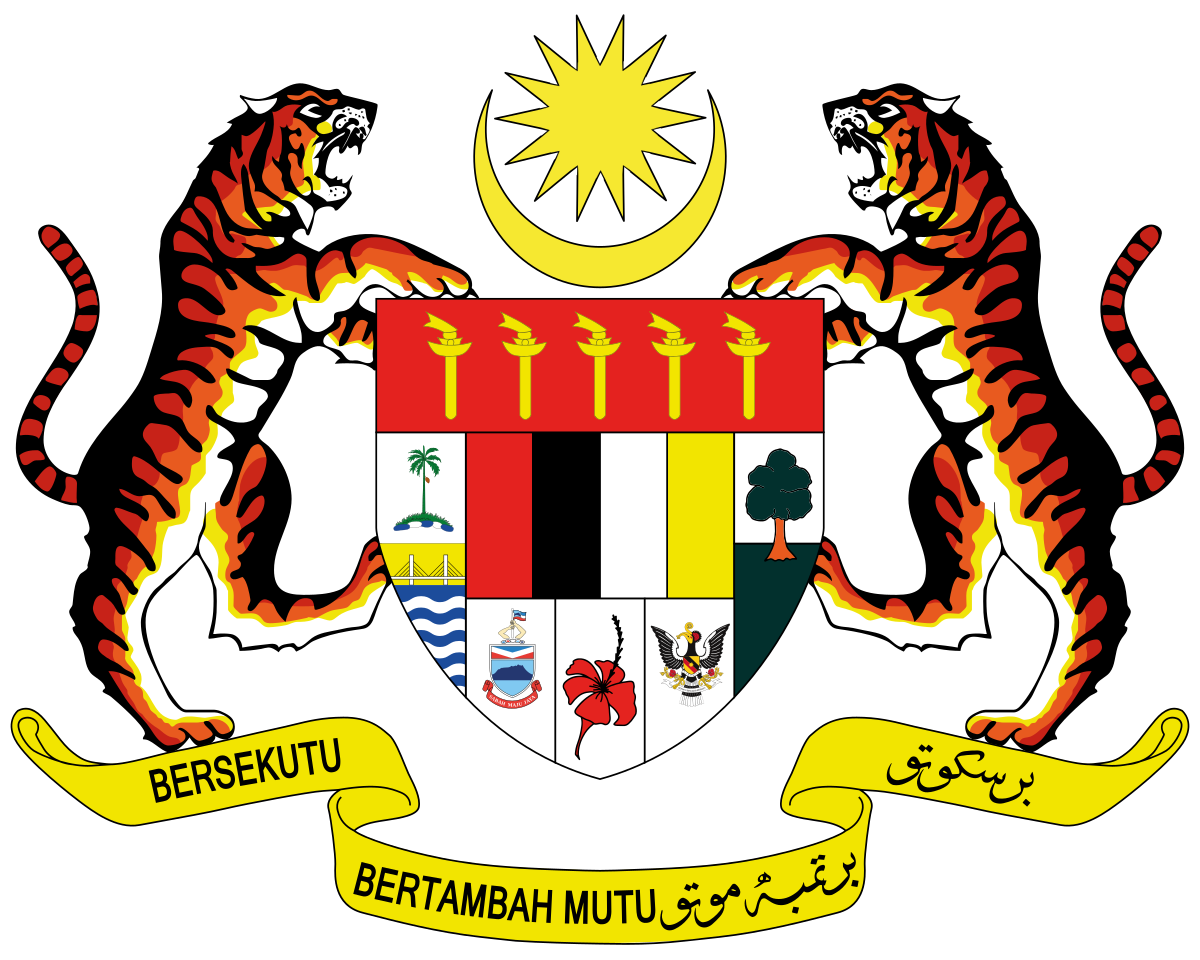
At the end of 1958, the Ministry of Agriculture had submitted seven types of flowers to be selected as the national flower. The flowers were bunga raya, bunga kenanga, bunga melur, bunga cempaka, bunga teratai, bunga mawar and bunga tanjung. To choose the type of flower which may be selected as the national flower; a study was carried out by the Department of Information to get the reaction of the public. This research was conducted by mobile units from the Department across the urban and rural areas in Peninsular Malaysia. The study found that residents of the East Coast had chosen roses (bunga mawar) while the West Coast residents had chosen jasmine (bunga melur). However, in the end, the Government decided to choose hibiscus (bunga raya) based on the flower which was already well-known across the country, the colours and interesting shapes, a name that was similar across the country, readily available nationwide, and most importantly, would not become the national flower of any other country in the world at that time. Based on these criteria, on 28 July 1960, Tunku Abdul Rahman Putra Al-Haj declared hibiscus (bunga raya) as the national flower. Today, the selection of the hibiscus as the national flower seems so accurate because there are five petals on it which represent a breakdown of the five aspects of the National Principles of the Rukun Negara, and as a symbol of unity.
Source: Malaysia 2016 (Department of Information)
